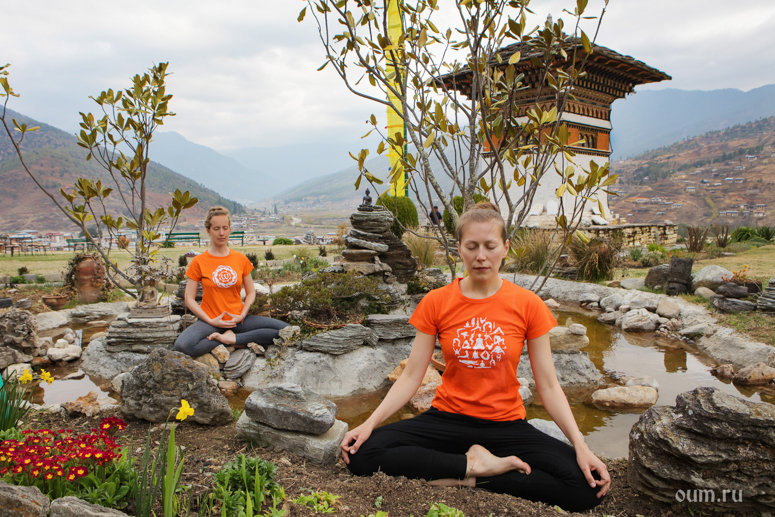
Hatha Joga. Jogos pagrindai.

Pakeisk save ir pasaulis aplinkui pasikeis

Skyrius:

Pranayama

Meditacijos pagrindai. Ką pageidautina žinoti

Kas yra klasikinė joga

Kaip prisiminti praėjusius gyvenimus

Kaip teisingai kvėpuoti. Kvėpavimo technikos

Produktai organizmo valymui

Plavini Pranayama: Technique Step by Step for Beginners

When your inner abdomen full with air, you can swim as a lotus leaf in the water.

“Plavana” means ‘swim’. Hatha-yoga texts say that plavini pranayama gives possibility for human to stay on the water surface (lay on the water). It’s non usual form of pranayama that can look like vatsara-dhouti, just air holds in abdomen and intestines and do not moves out quickly. In “Hatharatnavali” it’s called bhujangi-mudra. Very rarely taught pranayama and only few people write about it. It is practice that usually pass on from guru to student.

Technique

Sit in meditation posture and prepare for pranayama. Inhale can be in two ways: breathe through both nostrils and swallow air to stomach, or swallow through mouth in kaki mudra, it means by putting lips in form of crow’s beak.… skaityti daugiau


Bhramari Pranayama: Technique Step by Step for Beginners

Quickly inhale and slowly exhale by making loud sound as a humming bee ‘M-M-M-M’. Through this practitioner becomes lord of yogis and his mind merge with bliss.

It is bhramari pranayama, sometimes called “humming bee pranayama” because sound that you create while doing this pranayama remembers humming of black bee.

There are various techniques of bhramari pranayama.

Technique 1

1. Sit in comfortable meditative posture, relax body and practice total body stillness (kaya sthairyam).
2. Keep eyes closed all time of practice.
3. Slowly and deeply breath in through nose by listening to sound of breathing.
4. Close your ears with index or middle fingers pressing the middle outer part of ear to the ear opening (fully close ears).… skaityti daugiau


Chaturtha Pranayama: Technique Step by Step for Beginners

Chaturtha pranayama is both a pranayama and a meditative practice. It combines breathing, mantra and chakra awareness. It is a very powerful technique that is not widely taught.

The Sanskrit word chaturtha means ‘the fourth’. There are two reasons for this name:

1. The first three types of pranayama are widely regarded as pooraka (inhalation), rechaka (exhalation) and kumbhaka (retention). Chaturtha pranayama is said to be the fourth type that follows them. In this case the English translation can be ‘the fourth pranayama’.

2. According to the Mandukya Upanishad there are four states of awareness. These are firstly, jagrat (waking state), which corresponds to the externalized perception of the world, secondly, swapna (the dream state), which corresponds to perception of the subconscious mind, thirdly, sushupti (dreamless state), which corresponds to intuitive perception of the collective unconscious, and finally, turiya (the fourth – chaturtha), which is the transcendental state where words and definitions fail to reach.… skaityti daugiau


Chandra Bhedana Pranayama: Technique Step by Step for Beginners

Chandra means “moon”, “bhid” – root, “bhedana” means to penetrate, to pass through something. In Chandra Bhedana pranayama all inhalation happens only through left nostril. All exhalation – through right. Nerve on left side called Ida Nadi or Chandra Nadi. Nerve on right side of nose called Pingala Nadi or Surya Nadi. Pranic energy in the time of inhalation goes through Ida or Chandra Nadi, in the time of exhalation – through Pingala or Surya Nadi.

Energy in left channel is cold, moon (“chandra” in Sanskrit means “moon”). When this channel active, person get tendency to introspection, thinking, contemplation. Chandra Nadi Pranayama – it is exercise to cleanse left energy channel and activate inside it energy flow.… skaityti daugiau


Bhastrika Pranayama: Technique Step by Step for Beginners

The Sanskrit word bhastrika means ‘bellows’. Thus the practice can be called ‘the bellows pranayama’. This practice is so called because air is drawn forcefully and quickly in and out of the lungs like the bellows of a village blacksmith. The blacksmith increases the flow of air into a fire in order to produce more heat for his work. Bhastrika pranayama can be said to do the same thing: it increases the flow of air into the body, which produces inner heat, both gross and subtle. The inner fire of the mind-body is stoked. This heat burns up impurities, whether physical impurities such as toxins, pranic blockages or mental neuroses. The Sanskrit word tapas means ‘to burn one’s impurities’.… skaityti daugiau


Moorchha Pranayama: Technique Step by Step for Beginners

There are various methods of doing moorchha pranayama. In this topic we will describe two types that are specifically mentioned in the yogic scriptures and which we teach in our ashram. They are both excellent techniques that can bring many benefits at all levels. Practice them yourself and choose the method you prefer.

Moorchha pranayama can be practised in any comfortable meditation position. The best asanas are padmasana, siddhasana, siddha yoni asana, swastikasana and ardha padmasana, though vajrasana and sukhasana can be used.

Technique 1

1. Sit in any comfortable sitting asana.
2. Hold the spine and head upright.
3. Relax the whole body.
4. Fold your tongue against the upper palate – khechari mudra.… skaityti daugiau


Pranayama Sheetkari: Technique Step by Step for Beginners

The sound shee or sheet is made during inhalation in this practice. The Sanskrit word kari means ‘that which produces’. Therefore, sheetcari can be translated as the pranayama that produces the sound ‘shee’. In English the practice is usually called ‘the hissing breath’.

Shape of mouth

1. Press the lower and upper teeth together.
2. Separate the lips as much as is comfortable.
3. Fold the tongue backwards into khechari mudra so that the lower surface gently presses the upper palate.
4. Inhale through the gaps in the teeth.

Technique

1. Sit in a comfortable asana.
2. Close the eyes.
3. Shape the mouth as described.
4. Breathe in slowly and deeply.… skaityti daugiau


Pranayama Sheetali: Technique Step by Step for Beginners

The sanskrit word sheetali means ‘cooling’ or ‘relaxing’. This type of pranayama is so called because it cools down the body and relaxes the mind. In English it is usually called ‘the cooling pranayama’ or ‘cooling breath’.

Technique

Roll the tongue so that both sides curl upwards and inwards, with the edges almost meeting each other. Needles to say, the teeth should be separated. The end of the tongue should protrude outside the mouth, but without strain. The rolled tongue forms a tube through which one inhales.

1. Sit in a comfortable meditative asana.
2. Hold the back straight and head upright, but without strain.
3. Close the eyes and relax the whole body.… skaityti daugiau


Pranayama Surya Bheda: Technique Step by Step for Beginners

Surya bheda pranayama is concerned with stimulating and awakening energy within the physical and pranic bodies. The practice can be described as a psychic supercharger. The word surya means ‘sun’ and bheda means ‘to pierce’, ‘to awaken’. The sun represents pingala nadi (the pranic pathway associated with energy in the human framework) and the flow of the breath through the right nostril.

There are various alternative methods, we will describe three. You can choose one of these practices according to your preference.

Technique 1

This is the method described in the Hatha Yoga Pradipika.

1. Take a comfortable sitting position.
2. Hold the spine and head erect but without tension.
3.… skaityti daugiau


Pranayama Nadi Shodhana. Stage 4

At this stage in your pranayama practice you should start to practice outer retention. That is it is time to supplement inhalation, exhalation and inner retention (antar kumbhaka) with retention of the breathing process when the lungs are deflated as much as is possible. In sanskrit, this stage is known as bahir kumbhaka, or sometimes bahiranga kumbhaka.

Bahir kumbhaka is a very important part of pranayama practices and will bestow many benefits. However, as we have already emphasized, you must slowly develop the capacity to retain the breath externally. Don’t try to hold the breath for too long in the beginning, even if at first it may seem easy. this applies particularly to outer retention, for this is a function that the lungs and associated nerves are rarely required to carry out.… skaityti daugiau