


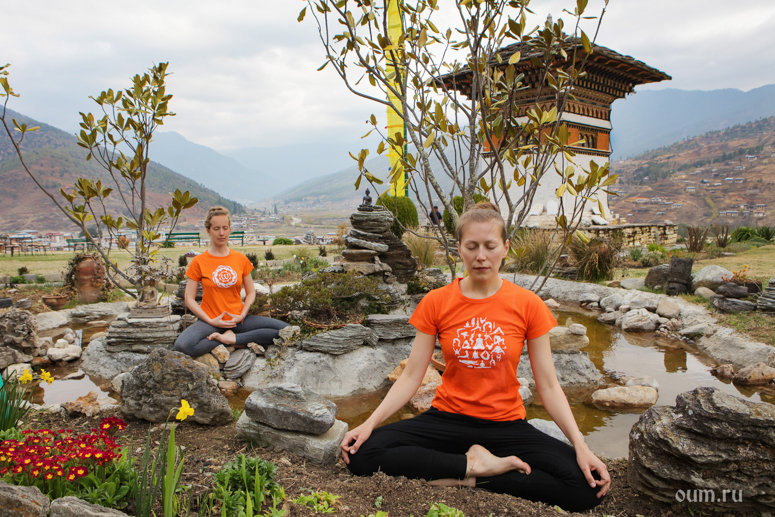

Samaveta Pranayama: Technique Step by Step for Beginners

The Sanskrit word samaveta means ‘together’. Therefore samaveta pranayama is a practice where one breathes through both the nostrils. This might seem to be an obvious and inconsequential statement, but the practice is so named to distinguish it from other techniques of pranayama where the flow of air is directed in one nostril by physically or mentally preventing the flow in the other nostril.
Technique
1. Sit in a comfortable position, preferably in one of the meditative asanas. The essential thing is that the spine remains erect. If necessary wrap a blanket around you if the atmosphere is cold.
2. Close the eyes.
3. Start practise yogic breathing. Try to make the movement of the abdomen and the chest as rhythmical as possible, so that as you inhale there is a wavelike motion from the abdomen to the chest and as you exhale there is a wavelike motion from the chest to the abdomen. Don’t strain but try to breathe as deeply as possible, expelling and inhaling the maximum amount of air.
4. Keep your eyes closes throughout the practice. Continue in this way for a few minutes.
5. Now you will begin the practice of samaveta pranayama. At the end of inhalation, hold the breath for a second or so, without straining.
6. Then breathe out. Your breathing should be as slow as is comfortable.
7. Exhale as much air as possible and then inhale.
8. Again hold the breath for a short time and then exhale.
9. Continue in this way for as long as you have time.
Benefits
This is an excellent practice in preparing the lungs for more advanced practices of pranayama. At the time of retention the amount of oxygen taken up by the blood and the amount of carbon dioxide which is discharged by the blood into the lungs is increased. When people breathe quickly and shallowly the exchange between the circulating blood and the lungs is very small. The increased exchange during samaveta pranayama helps to revitalize the body and improve health.
Swami Satyananda Saraswati
Picture: OUM.RU

