


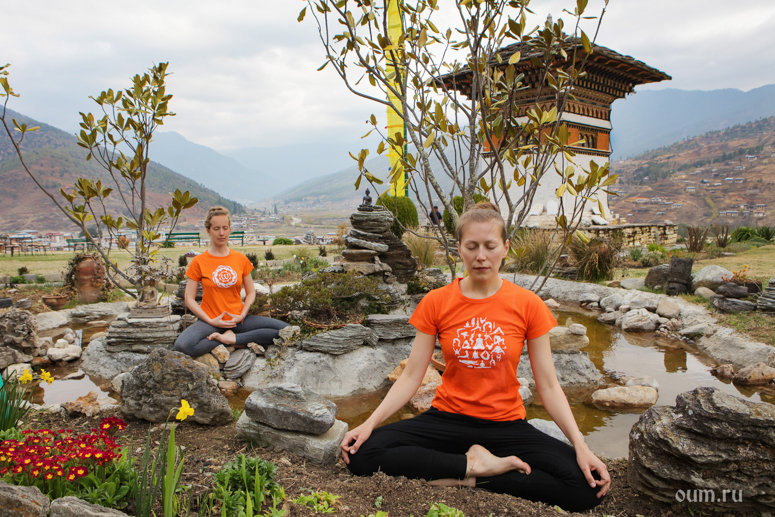

Pranayama Nadi Shodhana. Stage 1

The sanskrit word nadi means ‘psychic passage’ or ‘specific pathway’ through which prana flows throughout the body The word shodhana means ‘purification’. Thus this is a practice whereby the pranic pathways are purified and decongested. This allows the prana to flow freely throughout the body bringing the physical body into the best possible health and calming the mind. It is an excellent preparation for meditation techniques.
Nasagra mudra
The position of the fingers and hand is as follows:
1. Hold the right hand in front of the face (the left hand can also be used in which case the following instructions are reversed).
2. Place the tips of the second (index) and third fingers so that they rest on the forehead at the eyebrow centre. These fingers should be straight. In this position the thumb should be beside the right nostril and the fourth (ring) finger beside the left nostril. The little finger is not used.
3. The right nostril can now be left open or closed by pressing the side of the nose with the thumb as required. This allows air to flow or prevents the flow. The air flow through the left nostril can be similarly controlled with the right finger. The elbow of the right arm should preferably be in front of and as near the chest as possible. The forearm should be as vertical as possible. This will reduce the tendency of the raised arm to become tired after some time. The head and back should be held upright but without strain.
Technique
Part 1
1. Close the right nostril with the thumb.
2. Slowly inhale and exhale through the left nostril.
3. Be aware of the breath. Do this for half the time allocated for the practice.
4. Then close the left nostril and open the right.
5. Repeat the same procedure with awareness.
Part 2
This is the same as part 1 except that one now starts to control the relative duration of inhalation and exhalation.
1. Close the right nostril and breathe through the left nostril.
2. Simultaneously mentally count: 1, 2, 3, each interval being about 1 second.
3. Don’t strain but breathe deeply in the manner previously described – yogic breathing.
4. During exhalation again keep the count mentally.
Try to make the length of exhalation twice as long as inhalation. For example, if you breathe in for a count of 4 then try to breathe out for a count of 8. If you breathe in for 3 then breathe out for 6, etc. But we emphasize: don’t strain or make the duration longer than is comfortable.
Benefits
Stage 1 of nadi shodhana is an excellent preparatory technique for more advanced forms of pranayama and an excellent prelude to meditation or relaxation techniques.
It induces calmness of mind by regulating the flow of prana in the body. It helps to remove congestion or blockage of the nadis and thereby allows the free flow of prana.
The whole body is nourished with an extra supply of oxygen and the carbon dioxide is more efficiently eliminated. This purifies the whole blood system and increases the overall health of the body, including its power to resists disease. The deep, slow breathing encourages the removal of stagnant air from the lungs.
Swami Satyananda Saraswati
Picture: OUM.RU

