


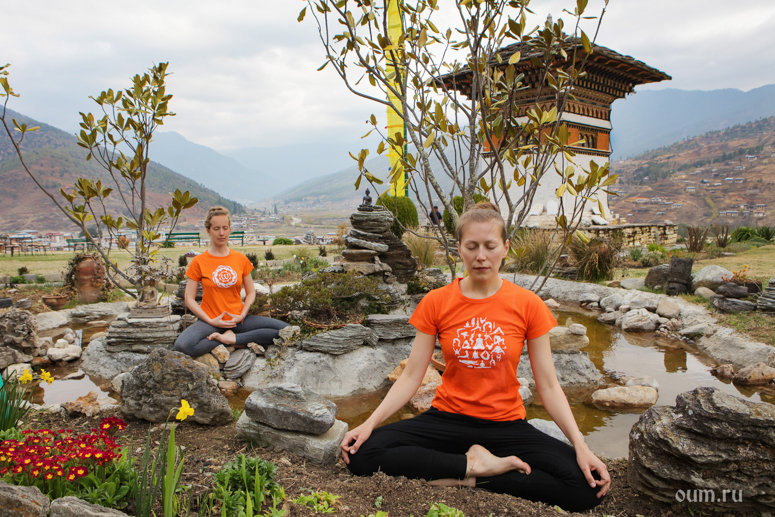

Pranayama: Techniques, Benefits, Types
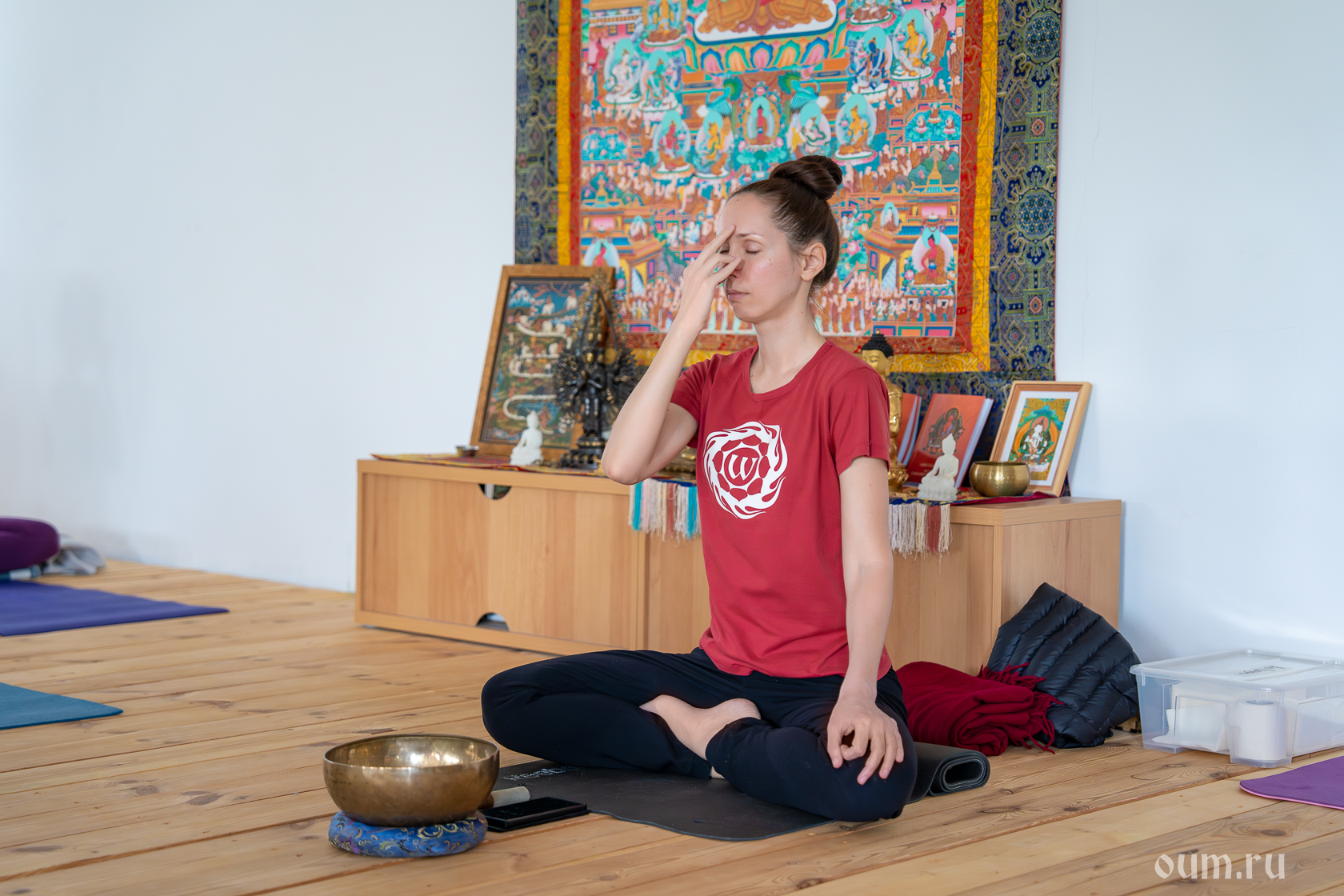
Pranayama becomes more and more popular in the modern world. In various yoga styles, pranayama has various goals: to calm down an active mind, reach emotional balance, clean and restore the energy body and accumulate energy. By reading primal scriptures of yoga, we know that pranayama – prana energy control, a universal life force that is very related to breathing. Mastering pranayama cleans the “subtle body,” removes blocks in the energy channel system (nadi), and improves the flow of prana. Pranayama is an instrument that actively makes an impact on our inner world. When we live a usual, regular life and interact with a huge amount of information on lower centers, consciousness has a low vibration and becomes impure and rougher. From that arise strong, disturbing emotions like aggression, tiredness, sensual pleasures, selfish goals, and dual perception. Breathing classes – it is an attempt to control our focus, allowing us to transform those energies and reach control of our senses, emotions, and wishes, and it becomes a tool for spiritual development.
What is pranayama. Energy and prana
In yoga there is the word “energy” (or “prana”), and pranayama allows you to experience and get subtle experience, not by belief, but by experience, able to change your life. Person who regularly transforms his energy from the tamas state (ignorance, not knowing) and rajas (chaotic activity) reaches the sattva state (harmonic state). Most people have seen and know sages or venerable people with whom you feel calmness and harmony. A wave of goodness goes from their inner world, and understanding and confidence in your chosen Path.
Pranayama – deep spiritual practice that gives personal growth for humans, gains abilities, and reaches the highest steps of yoga.
Asanas
It’s important to do asanas because we need physical activity to keep our bodies in a good state. It’s time tested exercises to keep the body in an adequate state that allows it to move joints to put the body in good working order. Asanas allow you to clean the subtle body through askesis. Main goal of asanas – stable posture with a straight back and crossed legs.
Doing asanas can allow you to stretch nerve fibers and blood vessels in muscles. There are various theories: they compare nadi, nerve fibers, and blood vessels through which life energy flows. If the channel is narrow and you start to expand it, after some time it expands, and through him starts to go a big flow of energy, and consciousness becomes wider.
Asanas also are an important part of working with the mind by preparing it for further steps of yoga. Asanas allow you to be balanced and concentrated. By doing asanas, we put our body into non-natural, non-usual postures compared with usual life, and it allows our mind to be focused for some time. When a person starts to do asanas, he starts to feel and notice his body, his limitations, and his possibilities. With the help of body and asanas, we can make an impact on our energy state, perceive how chakras work, and feel how energy moves.
Asanas for pranayama
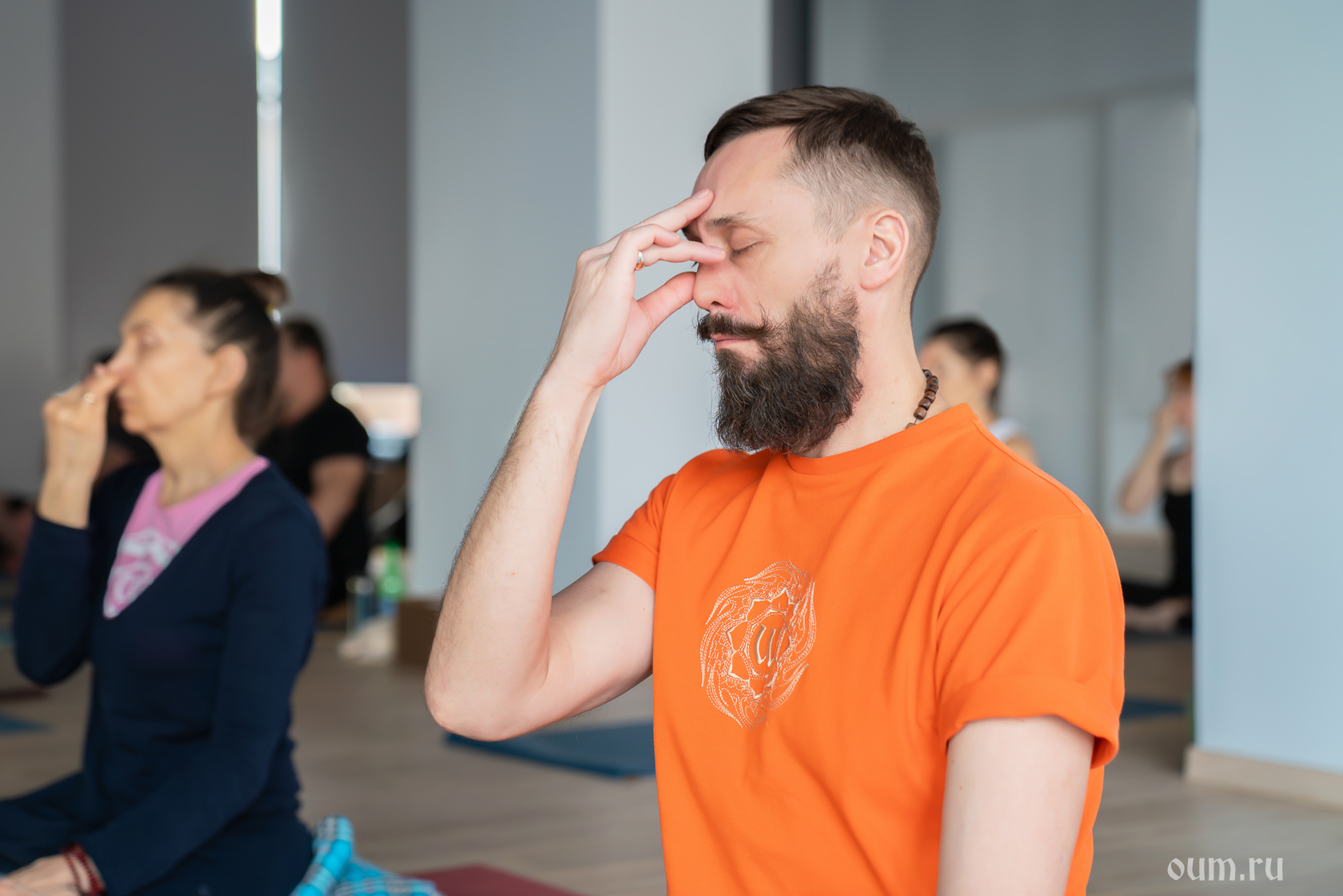
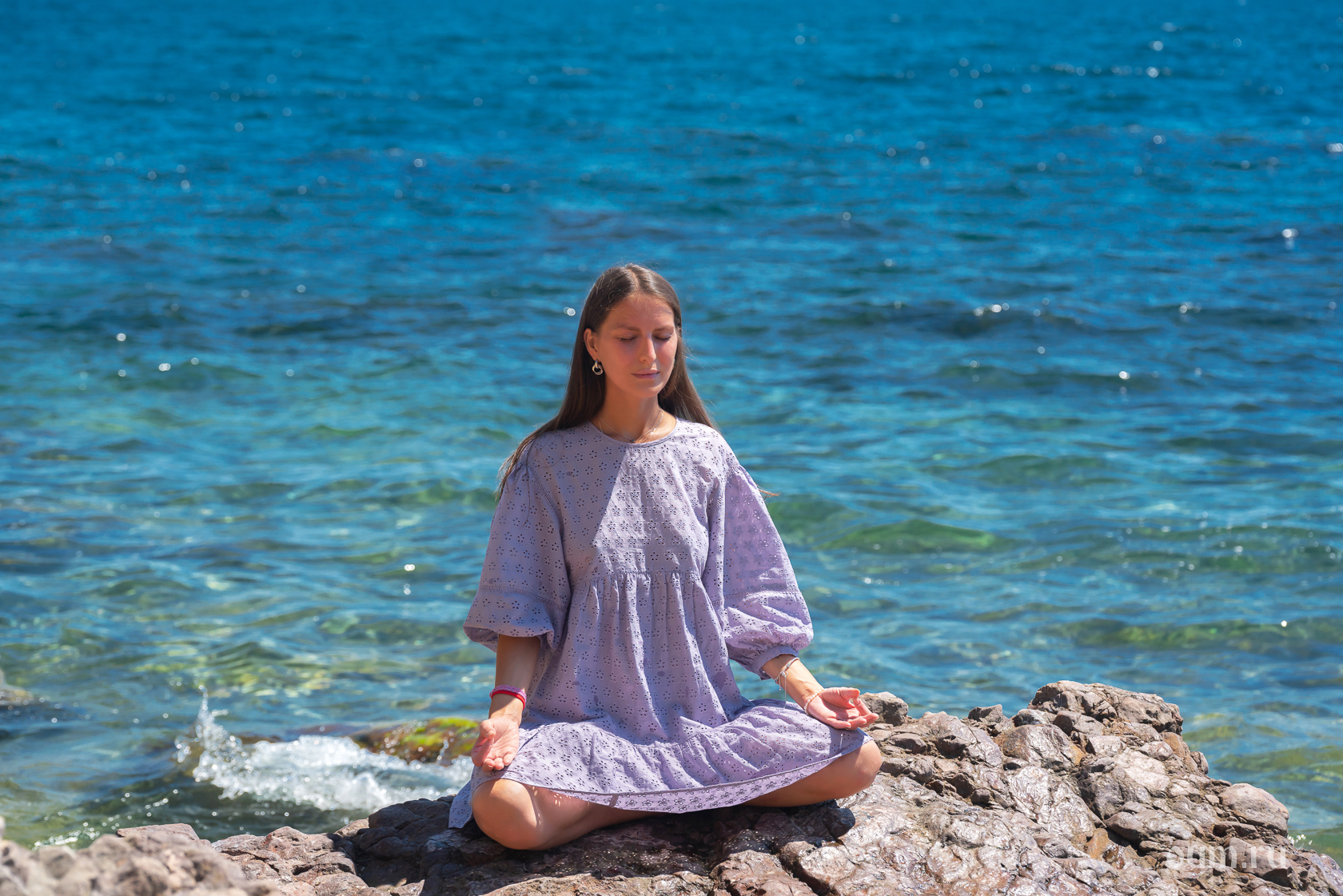
It depends on what goal you strive to reach with pranayama. According to your physical situation, choose a posture that will give you maximum effect in practice. Classical texts usually remember that to do pranayama, it’s required to sit in padmasana. Yes, it’s really important to do certain types of pranayamas, but it’s good to remember and know: there are practices in which padmasana is not very comfortable and siddhasana can be better for reaching goals and results.
Most popular asanas that are recommended to use for beginners, also for people for whom it’s very hard to sit with crossed legs:
1. Vajrasana. From a standing posture, we sit on our feet, legs together. Use this pose if there are no possibilities to sit with crossed legs.
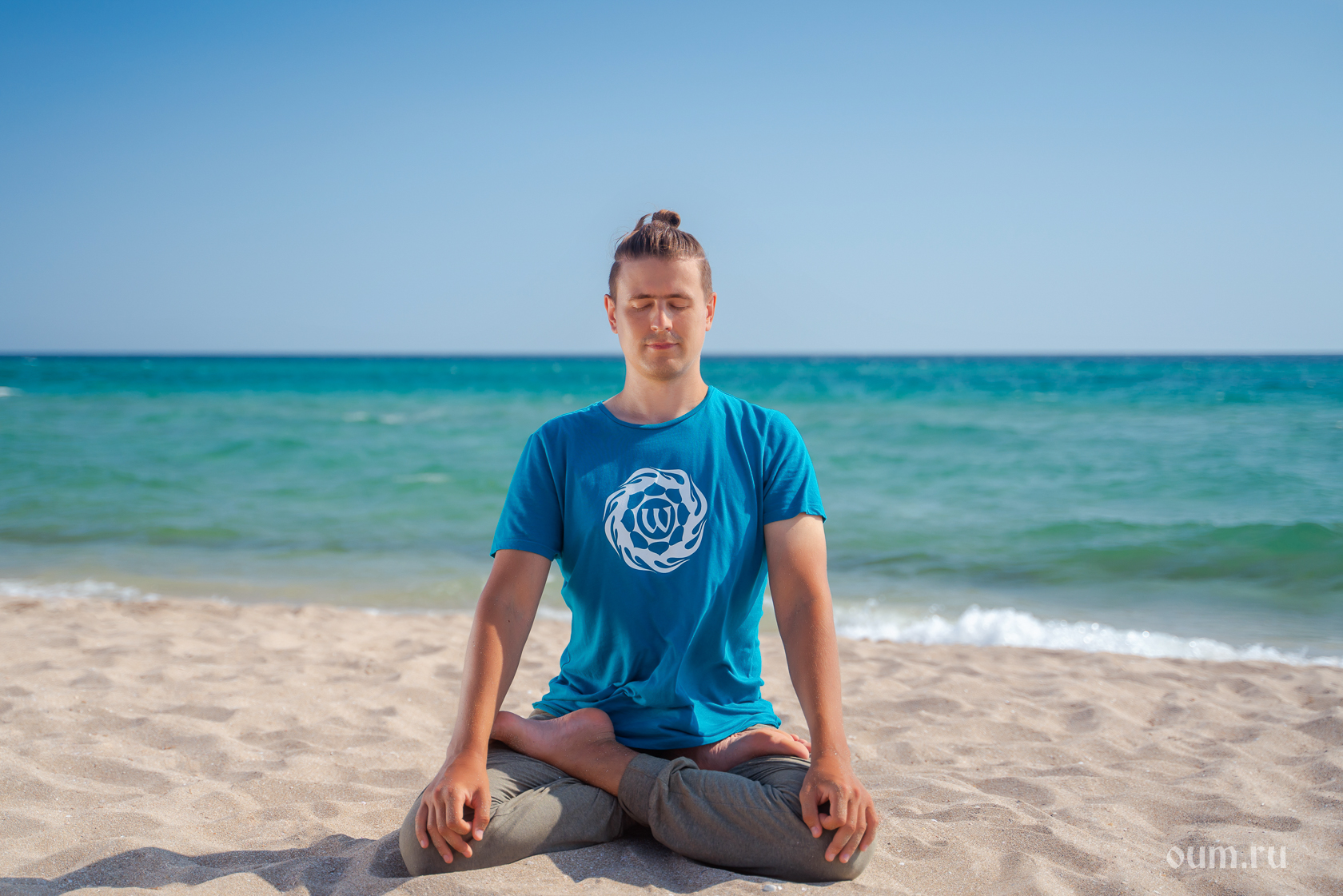
2. Siddhasana. It’s called perfect posture, which gives various benefits to the one who practices it. Comfortable, stable posture with crossed legs, left foot in crotch, and right foot above left. Similar to the other side.
3. Ardhapadmasana. Left leg first, right foot on left thigh. Similar to the other side.
Also, posture with crossed legs does not allow the energy flow (prana) to go down to the lowest centers. Regular asana practice will help to keep joints in good moving condition, relax muscles, and block inside the body. Energy of desires that surrounds us in regular life. That kind of desire: to eat delicious food, dress fancy, consume a non-adequate amount of resources, desire money, pursue power, and other disturbing states. It transforms by cleaning energy channels by returning life energy to peace and satisfaction.
Books about pranayama
It is recommended to read various literature about yoga. Books have unique knowledge and recommendations about practice and give the possibility to know how to do pranayama correctly. In most classical texts there are detailed explanations that through practice it’s possible to understand and experience with your own experience.
To achieve results, it’s required to have experience in practice, and it will be useful to study deeper by reading and analyzing texts: “Hatha Yoga Pradipika”, “Gheranda samhita”, “Prana Pranayama. Prana Vidya”.
You can find different approaches to prana that we can find in primal sources:
Atharvaveda
“The same as a father cares about his children, the same prana cares about all that exists.”
Prashna-upanishada
“In all three world exist prana and the same how mother cares about her children, let the same she cares about us.”
Taittirya-upanishada
“All living beings on the planet appear from cells. Prana goes through all living beings, including cells.”
Benefits of pranayama
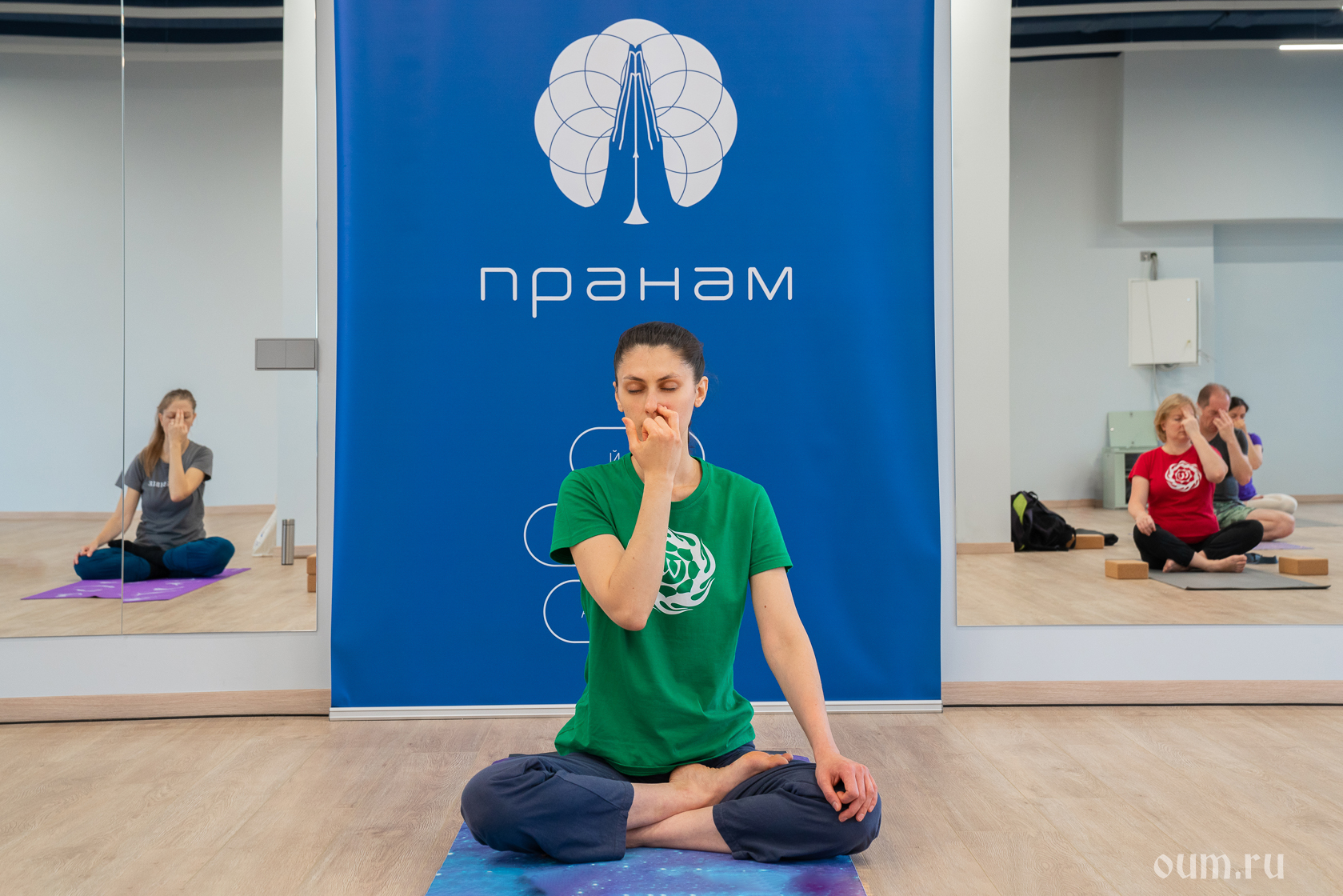
By living a social life, humans have a fast breathing rhythm, usually in the upper part of the lungs. When breathing very often and in the upper part of the lungs, there does not happen good exchange of gases in our body. Because of that, human life is short, and a lot of various diseases become chronic. The functionality of the nervous and blood systems depends on how oxygen supplies, it depends on how we breathe. How do scientific researches show that when a human breathes, he absorbs no more than 20% of oxygen and exhales 80% back without absorbing. Because of that exchange of gas in our body, is not enough to maintain all processes. In order to fill blood with oxygen and remove carbon dioxide, it needs time. It depends on how a person breathes, he gets various results from breathing.
Belly breathing improves gas exchange in organs and body systems, opens the chest, and ventilates all lungs by expanding the lungs possibility to ventilate all lungs. This type of breathing makes a positive impact on physical and emotional state and returns calm feelings in hard situations, helps to relax, and restores health. So when doing practice, we try to be aware of the process, always remember, and remind ourselves.
From a physical point of view, pranayama allows breath prana, and in certain retentions of breathing, obtain this prana. It means the slower the inhale and the slower the exhale, the higher the quality of whole processes in life becomes, with better absorption of food in tissues and organs.
When we do yoga and open our chests or practice full yogic breathing and other various techniques, for example, ujjayi pranayama, anapanasati pranayama, we can feel different, that breathing quality changes.
Pranayama – it is expanding the life length of a person by making retention of pranic force inside of the body.
What will happen in this situation?
Correct breathing regulates the level of carbon dioxide and oxygen in blood. Power of pranayama is that those techniques make an impact on the subtle energy body and also on the physical gross body. Gradually, pranayama changes the body so that it becomes fit, excess fat disappears, person becomes strong and healthy, diseases go away, and the face becomes brighter. Mind and consciousness become calm. Pranayama gradually wakes inner spiritual power and gives the ability to make conscious and healthy decisions in social life, giving happiness and peace of mind.
Prana – it is life energy that we get through our lungs. There are interesting opinions that the energy that is in the air is not a product of trees, cosmos, or eruptions of volcanoes. And when sages of the past thought about this question: what is the origin of prana, so they found this explanation. All people are different and live differently. Result of their activity we see in the world that surrounds us. Prana it is the result of the lives of sages who, by exhaling air, were exhaling energy that was surrounding them, filled with altruistic intentions for the world.
So energy that we can receive by doing pranayamas – it is good wishes from saint people who somehow can help you by doing huge and strong support in the way of self-development.
Rules for pranayama practice
To do pranayama at home is better in a clean and well-ventilated room.
The most sattvic time is morning, from 4 to 6 hours. Air is clean from dust and gases. If you will do pranayama at this time, it will help you to wake up, become lively, wake up energy, and get an energy charge for the whole day, and you will not regret that you woke up half an hour or an hour earlier. When you see a difference in the day when you do practice and the day without practice, it will become your motivation on the path of self-growth.
In the evening before going to sleep, it’s better to do relaxing techniques of pranayamas that will allow you to clean your inner world of negative information, restore your life force.
To do pranayama, it’s required to follow those recommendations:
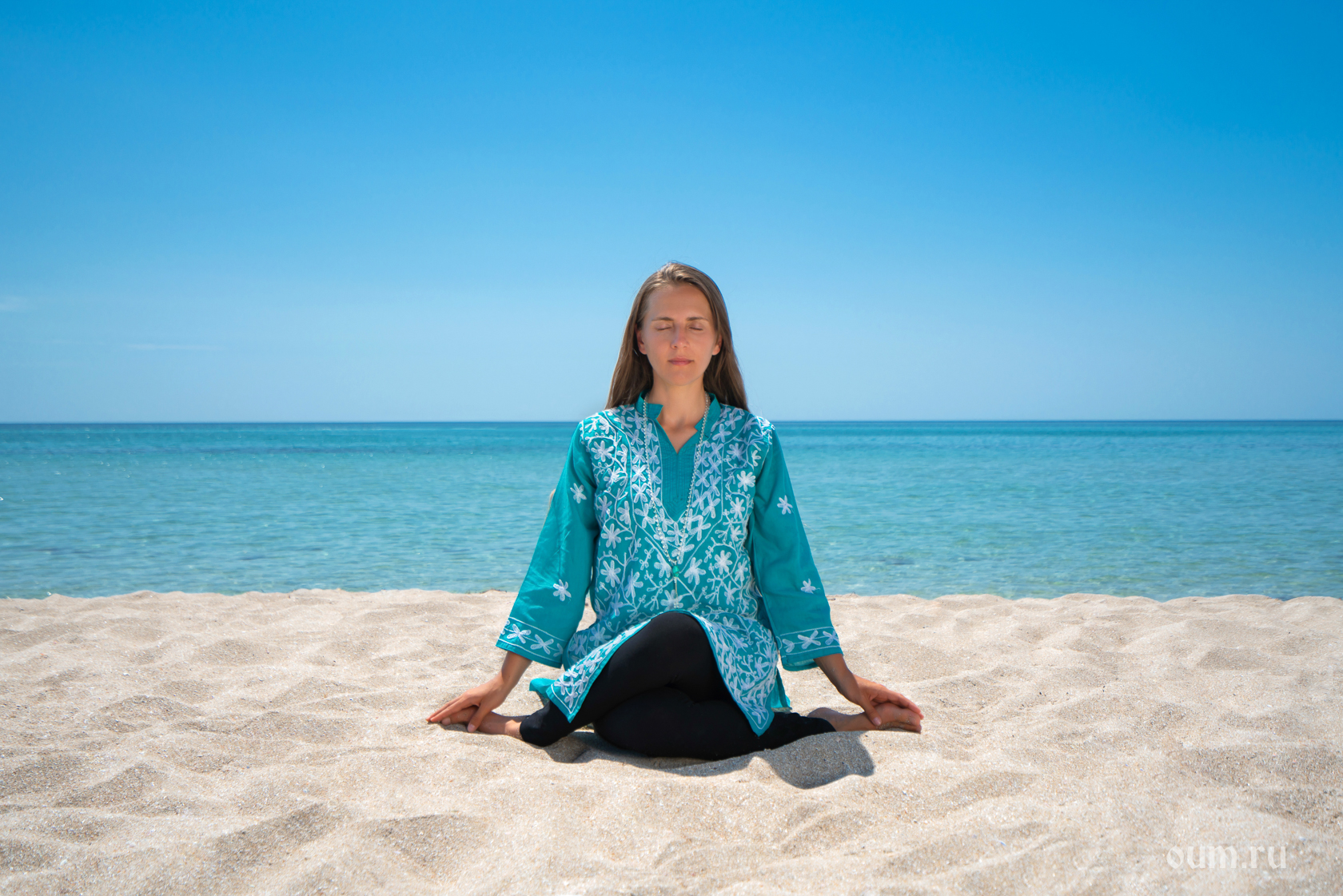
1. Right posture. Any asana for meditation. It’s required to keep the back straight, leg joints relaxed. By doing meditation posture for pranayama with crossed legs, it does not give energy to move to the lowest centers of consciousness.
2. Straight back. It allows for energy to rise up without blocking it through the whole spine, giving the positive effect of doing pranayama.
3. Right angle of head. Chin in parallel to the floor – in order to keep the upper part of the spine in vertical posture.
4. Breathing through the nose. There are various opinions about prana, that in times of pranayama practice you accumulate prana. First – prana comes into us, and we accumulate it because of breathing and breath retention. We can control and direct it to various parts of our body, we can get it through food and air. Another opinion – that amount of prana we get from birth, and for every action we waste part of this prana. We’re wasting life energy through the thinking process. Just take a look: when doing practice, you concentrated on it, not thinking about anything, just breathing, so it’s easier to do exercise, but when your thoughts start distracting you, life energy starts flowing in a different direction and it becomes much harder.
5. If you plan to practice pranayama, it’s a requirement to fully remove alcohol, tobacco, and all other drugs.
Safety technique for pranayama practice
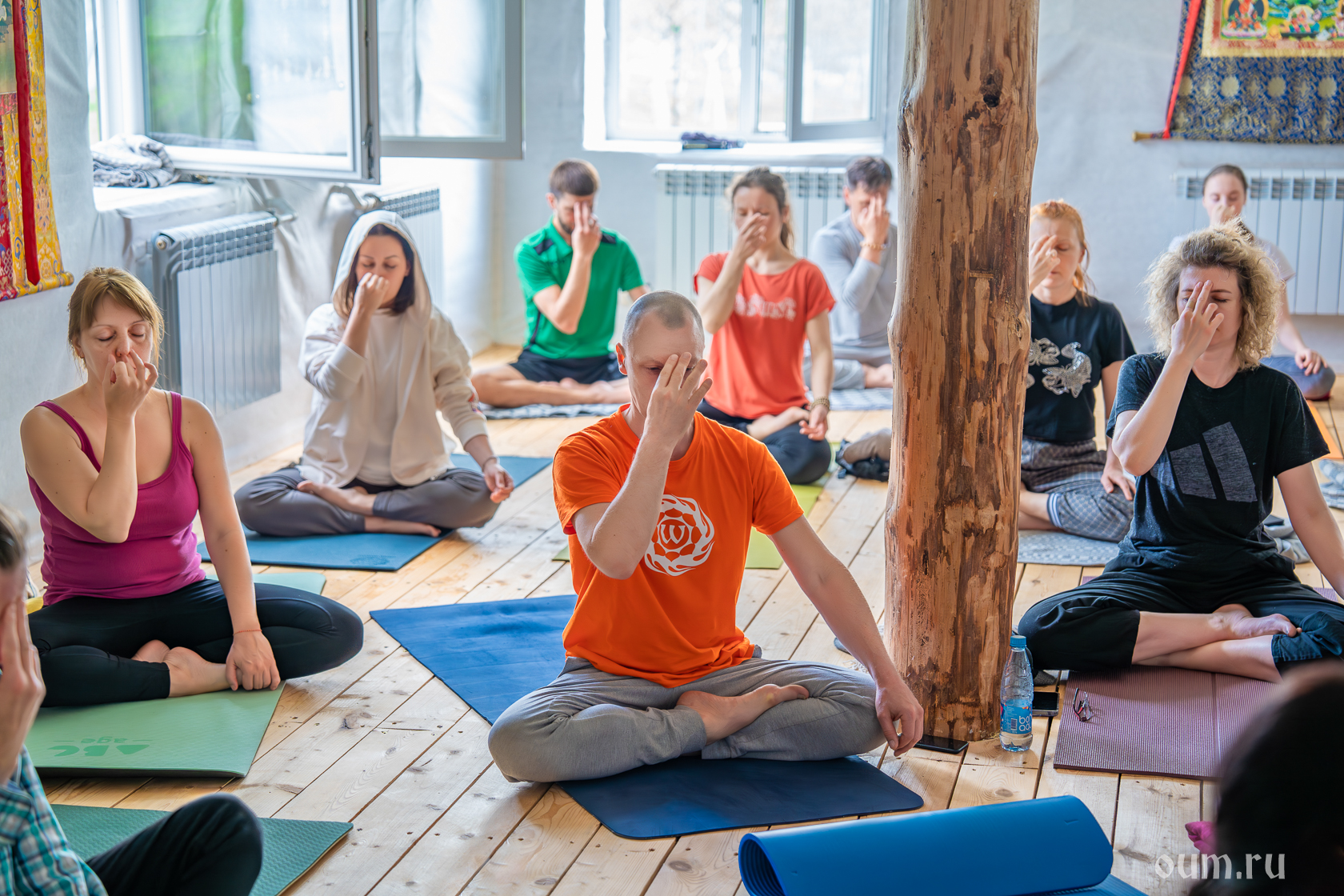
1. Don’t force yourself. Take care of your possibilities. Do not strain, practice should be moderated.
2. Don’t make practice time longer in the beginning, and don’t practice only with books. Gradually approach practice. Gradually, with the guidance of a teacher, start doing breath retention.
3. Don’t practice in times of illness. The most important factor – your well-being. If in the time of practice you feel any discomfort and your state becomes worse, it is better to stop practice.
4. Accurate approach when practicing pranayama. In post of classical texts, it’s mentioned that to practice pranayama, we need to have respect and dedication.
5. Empty stomach. It’s recommended to eat 4 hours before practice. Sattvic diet. Don’t use slaughter products.
6. Don’t smoke and drink alcohol.
7. Comfortable clothes that do not restrict movements.
8. Better to use a mat from natural material. There is an interesting opinion that mat remembers all merits that we accumulate by doing practice.
9. By stretching breathing, we come to certain discomfort. Choose that level of practice where it will be a little bit hard to expand breathing, but there are no hard strain and discomfort.
10. Try to practice every day, and even if you don’t want to or other distractions happen, try to restore motivation in you. Realize that when you practice with pleasure and feel pleasure, you are wasting your life energy. When you do practice with moderate discomfort and transform by this practice energy, you make the gross energy of pleasures more subtle, which helps to make self-realization.
Types of pranayama
4 basic phases of pranayama:
• Puraka – inhale.
• Rechaka – exhale.
• Antar kumbhaka – breathing retention on inhale.
• Bahir kumbhaka – breathing retention on exhale.
Every pranayama consists of those phases in different forms, combinations, and proportions.
Pranayama is an important part of yoga and leads to inner practice.
By properly doing pranayama and simple techniques of pranayama, one can reduce stress, restore strength, calm the mind, and develop awareness and focus. At a subtle level, a connection occurs between your inner “I,” getting clarity of mind, and the possibility to be in harmony with the world.
There are ancient scriptures where it’s said that effective pranayama practice is possible only with an experienced teacher who knows aspects of pranayama and sees possibilities and gives explanations of pranayama methods. Do not be upset if you still did not meet such person, there are simple breathing lessons that you can do at home by following pranayama rules.
Pranayama can be restorative, cleansing, and accumulating energy for certain goals.
Pranayama practice starts from correct breathing. Most teachers in basic methods of pranayama recommend that breathing be belly-breathing.
Basic pranayamas to do correct pranayama practice
• Full yogic breathing (relaxed breathing with diaphragm).
• Ujjay pranayama – soft breathing with breathing extension.
• Nadi-shodhana – “cleansing yoga breathing” that removes various desires and wishes from our body and mind. Technique extends breathing.
Full yogic breathing
Full yogic breathing allows us to understand how to breathe correctly feel the amplitude of breathing. Technique is very simple, and everybody can do it. Inhale: belly becomes full with air, then air moves up, chest fills with air, then air moves up, and the upper part of lungs fills with air. Then return: exhale – shoulders go down, chest goes down, belly shrinks inside. If a person gets used to breathing in the chest, then in the beginning it’s hard to understand this process. It means everything is working inside, but you can’t consciously control it. There are gradual techniques for practicing this breathing, you can learn about them in various video lectures and material from books.
After some time you will get used to this type of breathing, and it will become natural. This practice gives additional strength and, in an active external situation, can help to keep balance and consciousness clear.
Ujjayi pranayama
An important quality of this breathing technique is gradual lengthening of the exhale until it is two times longer than the inhale. On a physical level, breathing starts slower by compression clottic, we do not allow air to come and go out from the body fast. By doing this pranayama, your breathing becomes slow. Prana starts working properly. Prana slows down – slows down your consciousness, desires, and samskaras. You start self-growth.
Therapeutic effect: removes low blood pressure by making it higher. It’s recommended instead of medical treatment.
If you will do this pranayama together with asanas, the practice effect will be much better.
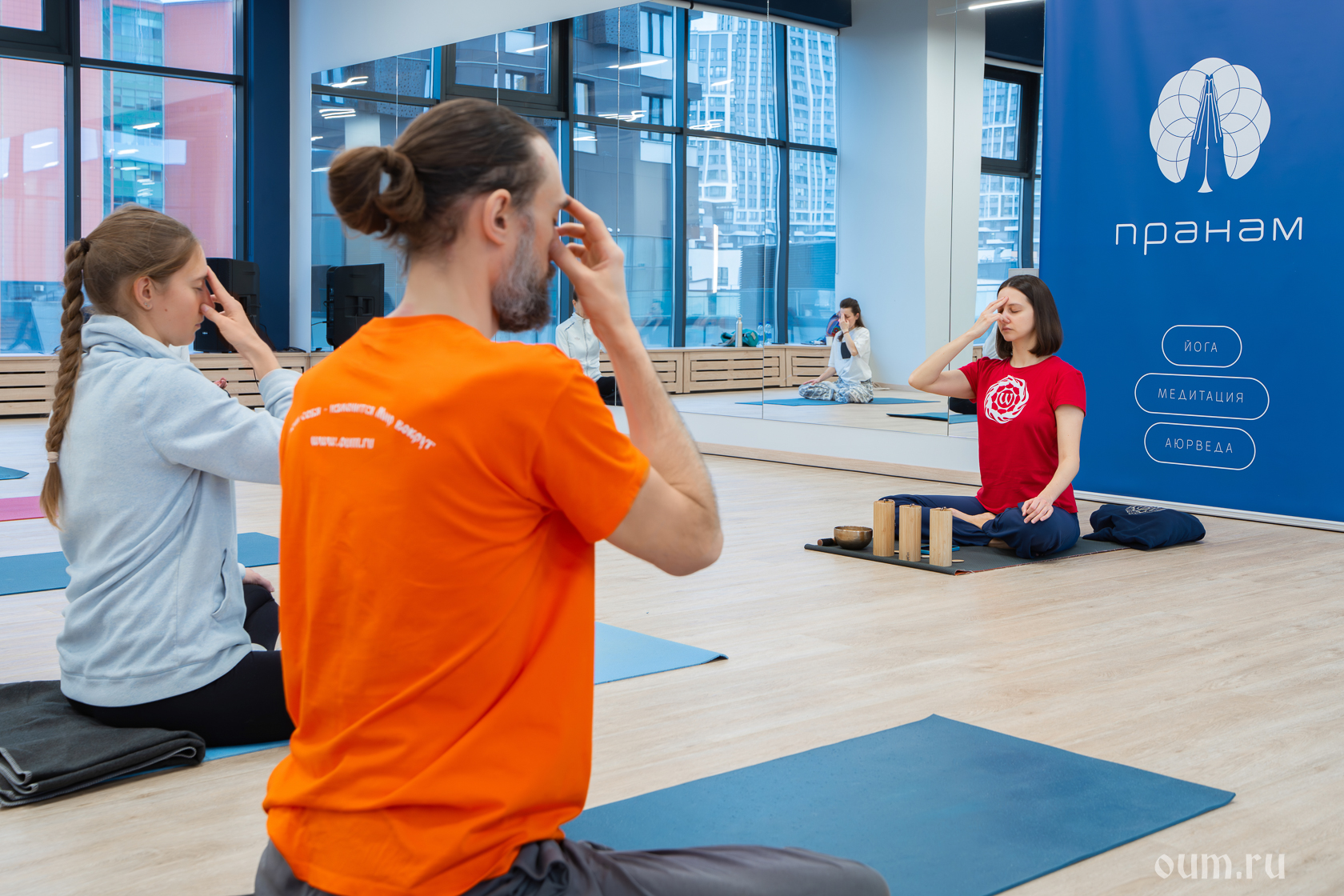
Nadi-shodhana
The most popular pranayama that cleans energy channels, nadi, you can find this technique in all yogic scriptures: Nadi-shodhana or Nadi-shudhi, also Anuloma-viloma. In translation, nadi – channel, shodhana – cleaning. From what impurities do we need to clean our energy channels?
Sensual pleasures, desires, and passions all make our understanding of life ignorant, those impurities accumulate in our energy channels (nadi) and do not give the possibility for energy and consciousness to rise up and see life situations that happen to us in various aspects.
Nadi-shodhana has all 4 main phases of pranayama, from which all pranayamas are constructed.
The therapeutic effect from this pranayama is by reaching balance in our body through various processes, making the exhale longer, and normalizing states of excitement and depression.
Energetical aspect – by cleaning main nadi (channels). Practicing nadi-shodhana helps to balance energy in channels. Restores harmony and positive mood to our life. Why this approach is important: in order to go to more serious practice by doing kumbhaka – breathing retention – it’s important to clean channels.
By doing pranayama, cleaning effect happens through various aspects: askesis – patience, practice time becomes longer, and breathing lengthens. Every time we go out from comfort limits, from those situations that for us look regular and stable, we go to a certain allowed level of discomfort, and by this gradually remove our limitations (doubts, fears, and others), and our subtle body becomes wider. Sweating when doing practice shows that your energy changes. Also, body becomes warm, and the heartbeat becomes stable and calm.
In conclusion
Summarizing, we can say that the most important moment in pranayama is not power and intensity but stability and regularity. Time that we need to grow our inner qualities and reach goals depends on the individual characteristics of the practitioner, his external situation, the way he exists in the world (areas of interest, activity), spread, regularity, and direction of doing pranayama practice. Everybody will have different results, and for everyone, everything will come in the right time. Some possibilities come earlier, especially if there was a reason for this (good karma from the past), for others, it requires more time.
Good luck in your practice!
Om
Author: Olga Bedunkova

