



Pain in the legs: effect of descending energy Apana-vayu
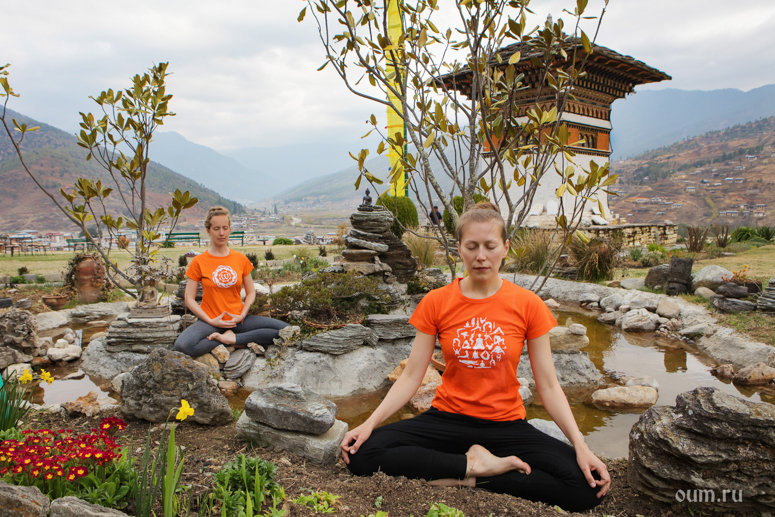
Beginner practitioners meet with physical discomfort when practicing asanas, but even more when trying to sit with a straight back and crossed legs by going to inner practices: pranayamas, concentration, and meditation. And often physical pain in the legs or back becomes a serious trial. One thing is to practice from time to time, and it is absolutely different from long, intensive retreats, where you need to sit for many hours and where pain becomes an enemy who is “always with you.”
Remember that to feel discomfort during meditation is a normal fact in the beginning of your way. Everybody who practices faces that. Pain and distraction do not say that practice is unsuccessful. So where is the root of the problem?
In the human body, there are five types of energy, and each one of them is responsible for the expression of certain karma: “Prana are in the heart, Apana – in the area of the anus, Samana – around the navel, Udana – in the throat, and Vyana moves through all the body” (Shiva Samhita”).
Apana-vayu – it is energy that flows down and is responsible for removing waste from the body: defecation, urination, childbirth, menstruation in women, and ejaculation in men. The area of apana-vayu is from the navel to the feet. Cruelty, all deeds related to aggression, violence, and killing, makes apana-vayu stronger.
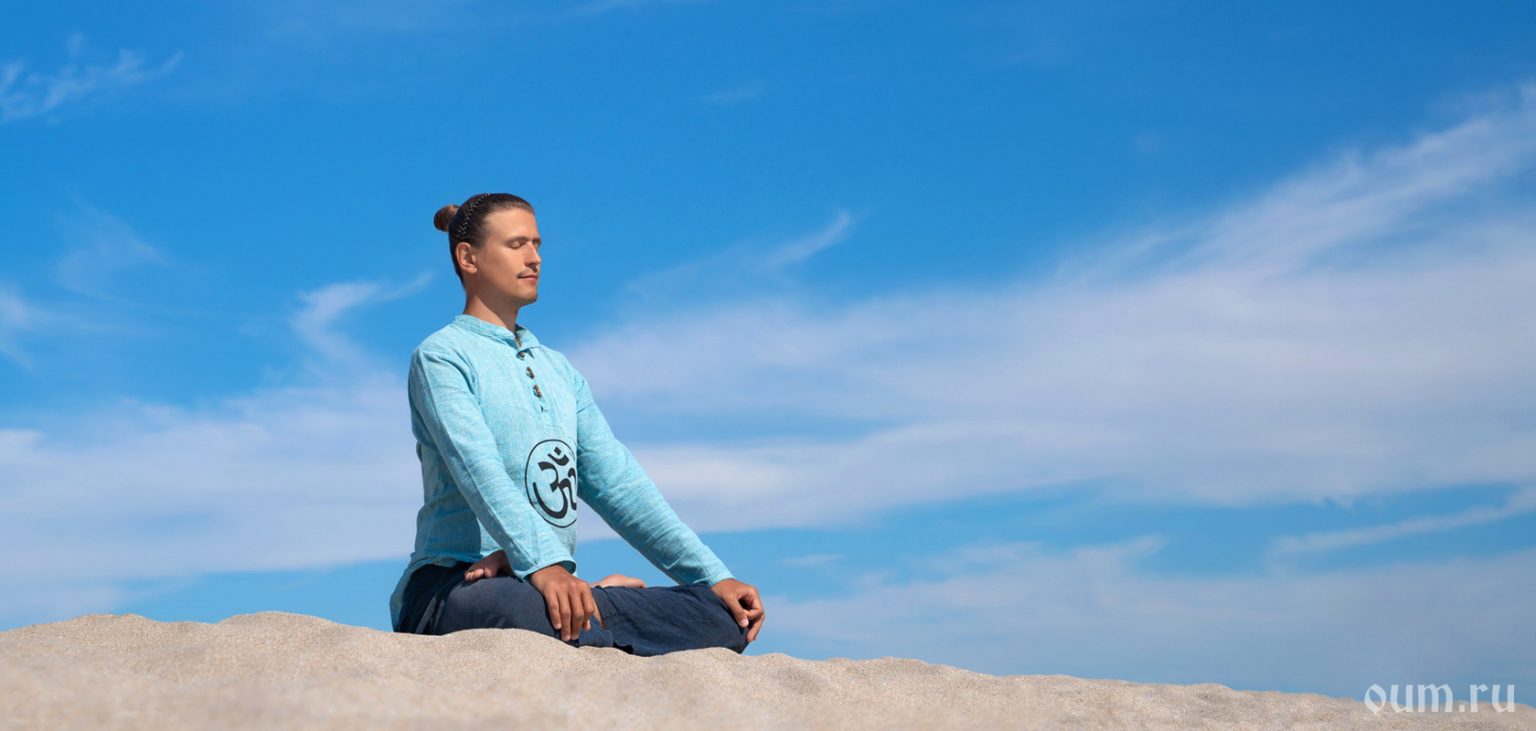
This energy is necessary and important, but an excess of it becomes an obstacle for spiritual growth: a powerful flow of apana can shift consciousness centers to the lowest chakras by enforcing the lowest desires and motivations. Strong apana-vayu restrains legs and does not allow sitting long in meditation asana.
How to overcome?
1. Cleansing practice of hatha-yoga – shatkarmas (6 techniques for cleansing the body).
2. Gain moral character qualities from yama and niyama in yoga (in Buddhist tradition, seek 10 good actions and decline 10, practice of 10 laws in christianity) or follow those beliefs that are accepted in your religion or culture.
3. Regular practice of reversed asanas, especially before going to sleep.
4. Control spending energy on the lowest chakras and decline harmful habits (work with negative emotions – anger, irritation, envy and others – control sexual energy, refuse gluttony, addictions, gambling or computer games, sweets, criticizing other people, and similar). There are examples when, after refusal of harmful habits, practitioners essentially advanced in lotus posture.
5. The most effective – as long as possible to sit in postures with crossed legs! Choose a chair without handles. At work at home, always cross your legs, whatever you would do. Even when eating food, cross your legs. This habit can add a lot of benefits.
Yoga teachers teach that working with apana-vayu in beginning levels is not easy but very important. With your weaknesses, to meet face-to-face is unpleasant but necessary. In the path of fighting with personal weaknesses, motivation comes from biographies of saints, yogis, and teachers, and support comes from like-minded people. Don’t give up whatever difficulties may come. All obstacles have their end.
Author: M. Lysiak

